

The oil crisis in 2024 is not just a finance story; it is reshaping how New York kitchens operate every day. For restaurants, coffee shops, bars, school and hospital kitchens, hotel restaurants, and caterers, higher oil prices and tighter oil supplies now show up on almost every invoice.
You feel it when fryer oil costs jump and when the price of fresh vegetables, frozen food, and pantry staples inches up again. This guide explains what is driving the current oil crisis and how you can respond strategically to protect your menu and margins.
Why This Oil Crisis Matters to NYC Kitchens
In a city that runs on service, oil is part of the infrastructure. You rely on it to fry, sauté, roast, finish plates, and keep the hot line moving. When the price of oil climbs and stays high, it does not just affect one SKU; it touches your entire operation.
High oil prices can force you to adjust portions and rethink which items deserve a spot on the menu. For busy commercial kitchens that already juggle labor, rent, and compliance, pressure from the oil market can be the difference between a solid quarter and a stressful one.
How the Oil Crisis Drives Food Costs
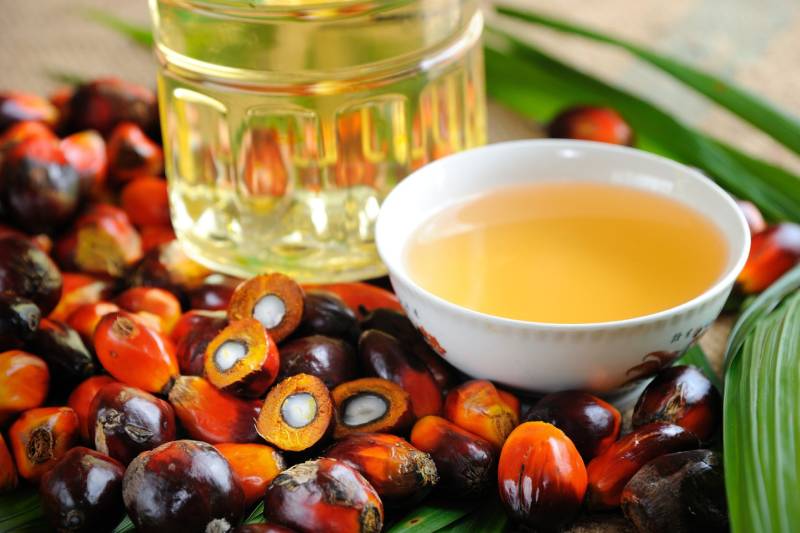
Most edible oils are traded globally as commodities and move with the broader oil market. Shifts in oil production, export rules, and shipping lanes ripple quickly across continents, so a harvest issue or export tax abroad can raise your local price of oil within weeks.
When oil producers face higher costs or volatility, those increases flow into fuel, fertilizer, packaging, and freight. World food prices respond, and you feel it through higher prices across wholesale produce, dairy, meat, and Pantry Essentials.
After the worldwide economic boom that followed lockdowns, demand for more oil in both energy and food rose faster than supply.
A few key trends now:
The FAO Vegetable Oil Price Index shows that global vegetable oil prices in 2025 remain elevated compared with pre-pandemic averages, even though they’ve fallen from the 2022 spike.
USDA’s Food Price Outlook expects fats and oils to decline slightly in 2025, but from a higher baseline, not back to old “normal” levels.
That’s why you’re seeing:
Higher prices per jug or tote
More frequent price increases instead of once-a-year changes
Pressure on distributors, from wholesale meat distributors to dairy and frozen food suppliers, as freight and input costs move with the oil market
In short: the global oil crisis feeds directly into what you pay, not only for frying oil, but also for fresh vegetables, fresh fruits, dairy, Pantry Essentials, wholesale drinks, and meat. Every delivery reflects a world where energy, fertilizer, and transport all cost more.
What’s Behind Today’s High Oil Prices
Several overlapping forces are keeping this oil crisis in play. Armed conflicts and political instability disrupt ports, rail lines, and processing facilities, making it harder to move oilseeds and finished oils to buyers. Climate pressure creates harvest gaps in key oil-producing regions, from palm plantations to soybean and canola fields.
At the same time, many governments promote biofuels that depend on vegetable oils as feedstock. More oil is diverted into energy markets, leaving less available for kitchens. Tight supply plus steady or rising demand means higher prices, and sudden shifts in availability are now built into the system.
1. War and trade disruption
Ukraine and Russia are major exporters of sunflower oil and other oilseeds. Ongoing conflict, damaged infrastructure, and restricted export routes mean less sunflower oil on the world market and more volatility.
2. Climate pressure on oil production
Heat, drought, and floods in key producing regions affect oil producers of palm, soy, canola, and rapeseed. Lower yields mean less supply and higher prices across the oil market.
3. Biofuel policies and competing demand
Countries like Indonesia are raising biodiesel blending mandates (B40 and beyond), sending more palm oil into fuel instead of food, and considering tighter export rules.
At the same time, U.S. and global energy transitions are increasing demand for renewable diesel, which relies heavily on soybean oil and other vegetable oils as feedstocks.
For your kitchen, that means edible oils are competing directly with the fuel market. When energy prices surge, the price of oil you cook with often follows.
How Oil Production and Imports Affect Your Menu

Most countries rely heavily on imported oil to cover consumption, and the United States is no exception. When major exporting countries change quotas, introduce new taxes, or favor domestic users, importing regions like New York feel the impact quickly at the distributor level.
Your operation depends on a steady flow of canola, soy, sunflower, and blended oils to function. If a producing country adjusts export rules, the impact lands on your order guide as new price points or required substitutions, and the hit to food cost becomes impossible to ignore unless you actively manage it.
Impact on Fresh Produce, Meat, and Pantry Essentials
The oil crisis does not stop with fryer oil. Because energy and fertilizer costs are tied to the same oil industry, nearly every product on a truck is touched by oil market dynamics.
Fresh vegetables and fresh fruits reflect the expense of planting, harvesting, and refrigerated transportation. Wholesale meat distributors face higher feed, processing, and cold-chain costs that end up in your protein pricing.
Pantry Essentials, such as canned goods, grains, and condiments, depend on energy-intensive manufacturing and packaging. Frozen food and wholesale drinks require reliable cold storage and long-distance logistics. Your dairy supplier has to move milk, cheese, and butter in temperature-controlled systems, and even small unit increases add up across a full basket.
Oil Consumption in Your Kitchen: Where It Really Goes
To respond intelligently to the oil crisis, you first need a clear picture of how your kitchen uses oil. Start by mapping every station that relies on it: fryers, sauté stations, dressings, marinades, confits, and finishing oils on composed plates. Many menus rely on oil more than you might realize at first glance.
Then, estimate how often each fryer is changed and how much oil is discarded. Look for patterns in shifts, menu mixes, and prep habits that might be driving unnecessary waste.
Set aside one service this week to walk the line and document how, when, and where oil is used so that you can spot quick wins.
Practical Ways to Respond to the Oil Crisis
You cannot control geopolitics or global oil production, but you can control your response inside the kitchen. Start with oil management: keep fryer temperatures within the recommended range, skim crumbs frequently, and use filtering equipment according to manufacturer guidelines. Small operational improvements extend oil life while preserving flavor, color, and food safety.
Next, use menu engineering to reduce exposure. Feature dishes built around roasted fresh vegetables, braises, and grilled proteins rather than relying exclusively on deep-fried signatures.
Offer satisfying sides that lean on seasonal wholesale produce instead of only fried items, so oil consumption per cover drops along with your vulnerability to rising prices.
Work Smarter With Wholesale Restaurant Supply Partners
Your relationships with wholesale produce and wholesale restaurant supply partners are a major asset in this environment. Distributors see price trends early and can suggest alternative products or formats that stretch your oil budget without sacrificing quality.
Ask your rep about longer-life frying oils, high-oleic blends, or packaging sizes that better match your volume.
Schedule a short call with your distributor to review oil options, delivery schedules, and minimums. Discuss consolidating orders across fresh fruits, Pantry Essentials, frozen food, wholesale drinks, and dairy supplier items so you can improve terms and smooth sudden price movements driven by the wider oil market.
Turn the Oil Crisis Into a Strategic Advantage
The oil crisis is challenging, but it can also become a catalyst for a stronger, more focused operation. By tracking oil consumption, tightening kitchen practices, and collaborating closely with suppliers, you build a more resilient business that is less exposed to sudden swings in the price of oil.
You gain clearer insight into which dishes truly earn their place on the menu and which items quietly erode profit. That supports better decisions about pricing, promotions, and new concepts.
if you are rethinking purchasing and menu strategy because of high oil prices, connect with a trusted wholesale partner who can support you across fresh produce, meat, dairy, drinks, frozen food, and Pantry Essentials.
Ask them to review your basket, suggest swaps, and help you design a program that cushions your kitchen against future price increases. In a competitive market like New York, turning global volatility into disciplined strategy is one of the best advantages you can create.

Fadaros’ editorial team is dedicated to creating high-quality, insightful content that helps food businesses navigate the challenges of the wholesale industry. We aim to empower you with practical advice, expert insights, and resources tailored to your needs. By aligning with our brand’s mission of helping you grow and build a successful future, we aim to be a trusted partner every step of the way, ensuring your success remains our top priority.