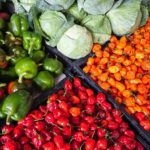


Fresh and canned produce both play important roles in restaurant operations, depending on menu requirements, ingredient availability, food costs, and kitchen efficiency. Restaurants, catering businesses, and commercial kitchens often balance fresh seasonal produce with shelf-stable inventory to maintain consistency during high-volume service periods and fluctuating market conditions.
Wholesale fresh produce remains essential for chef-driven menus, plating quality, and seasonal dishes. However, canned ingredients can help hospitality businesses improve inventory management, reduce waste, and support operational efficiency when certain products are unavailable or out of season.
Understanding how fresh and canned produce perform in different menu applications helps restaurants optimize sourcing decisions, kitchen workflows, and long-term foodservice operations.
Canned Produce vs. Fresh Produce
For restaurants, fresh may be the best option when it comes to taste, but it’s not the only option. If there’s a shortage of fresh ingredients or they’re not in season, there may be a need for a restaurant to purchase the canned or frozen alternative. In baking, the recipe may call for the canned option. Canned food isn’t a bad option or a last resort. It’s the most affordable option when it comes to quantity. There is still nutritional value, and canning is a form of food preservation meant to lengthen the life of the fruit or vegetable.
Nutritional Value of Fresh Produce
Fresh produce is often preferred by restaurants and commercial kitchens because of its texture, presentation quality, seasonal versatility, and flexibility across chef-driven menus. Many hospitality businesses rely on fresh fruits and vegetables to support premium plating, rotating specials, and ingredient-forward dishes that require consistency and visual appeal.
Nutritional Value of Canned Food
Canned ingredients can support restaurant operations by offering longer shelf life, inventory stability, and consistent product availability throughout the year. Many commercial kitchens strategically incorporate canned products into sauces, soups, prep-heavy recipes, and high-volume menu items where operational efficiency is a priority.

Canned Food Preservation
Canned food is often found on grocery store shelves and in large wholesale quantities. Canning is the process of placing foods in jars or cans and heating them to a specified temperature. At that temperature, the food is preserved, and the high heat destroys microorganisms. It also inactivates enzymes and preserves the safety and quality of the food. The three scientifically tested and approved methods of canning for food preservation are pressure canning, water bath canning, and atmospheric steam canning.
Pros and Cons of Canned Food
Wholesale canned food is made with quantity in mind and is the cheapest option. The shelf life of one to five years that comes with canned food also makes it ideal to be ordered in large quantities. In the battle of fresh vs. canned, most people agree that fresh produce tastes the best. The sodium and salt content are much higher in canned products.
Pros And Cons of Fresh Food
Fresh vegetables are nutritious. But the storage of fresh vegetables can often result in them being contaminated with harmful bacteria. Depending on the time of year and the availability in your area, fresh fruits and vegetables may often be more expensive. Choosing vegetables and working with a wholesale supplier who brings in vegetables during their peak season and handles them with care will save your restaurant money in the end.
Fresh Food Storage and Preservation
Preserving fresh food can extend the life of your ingredient. It can also transform the item to benefit a different menu item or become a different ingredient on another dish. Preservation and storage techniques could include: freezing, boiling, blanching, pickling, fermenting, heat processing, and drying.
How To Choose Between Canned and Fresh Food
When choosing canned vs. fresh produce, be sure to take into account each menu item. Break it down by recipe. Take into account the cooking technique.
Canned products can help commercial kitchens reduce waste, stabilize inventory, and improve prep efficiency during high-volume service periods.
This approach can help restaurants optimize inventory management, reduce spoilage, and improve operational consistency. Sometimes, fresh beats out canned in terms of taste and quality. But that is not always the case.
Frozen fruit is commonly used in beverage programs, dessert prep, and high-volume kitchen operations where consistency and storage efficiency are priorities. Soups are also a forgiving base for vegetables of all kinds. Tomatoes are a fruit that cooks like a vegetable that can be utilized differently based on how it is delivered, fresh or canned. For sauces, the canned option is preferred, and it actually packs more nutrients. Thanks to an enzyme that’s released under heat.
Lemons and other produce can often be purchased fresh in bulk and then juiced and frozen. This preserves both the flavor and is the most cost-effective. Thinking about each ingredient and the purpose on the menu will benefit your restaurant in a number of ways.
Fadaro Foods also compiled a great wholesale produce guide which might come in handy when making selections for your next restaurant order.
Best Wholesale Fresh Produce Options
There are many great options when purchasing fresh fruits and vegetables. Wholesale produce is often essential for restaurants. It’s also a cost-effective way to purchase fresh inventory. To ensure the freshest ingredients finding a wholesale supplier who can deliver daily is the best option. When looking for a supplier consider the price, quality, product variety, knowledge, simple ordering methods, and delivery schedule that works with inventory management and urgent calls.

Fadaro Foods supplies restaurants, hospitality businesses, and commercial kitchens across NYC with fresh produce, wholesale food products, and reliable foodservice distribution tailored to operational needs. From seasonal ingredients to bulk inventory management, Fadaro helps kitchens maintain consistency, efficiency, and quality throughout daily service operations.
Explore our wholesale produce catalog and schedule your restaurant delivery today.