


Seasonal spring fruits help restaurants, bars, hotels, and commercial kitchens create fresh menu offerings that align with seasonal dining trends and customer demand. Chefs across NYC use spring produce to develop desserts, cocktails, brunch specials, sauces, and rotating seasonal menus while maintaining freshness and ingredient quality.
Reliable wholesale produce sourcing is especially important during seasonal menu transitions. Working with a trusted restaurant produce supplier helps hospitality businesses access high-quality spring fruits consistently while improving kitchen efficiency, food costs, and menu planning throughout the season.
What Fruits Are in Season in Spring?
Plenty of fruits are in season during the spring, including:
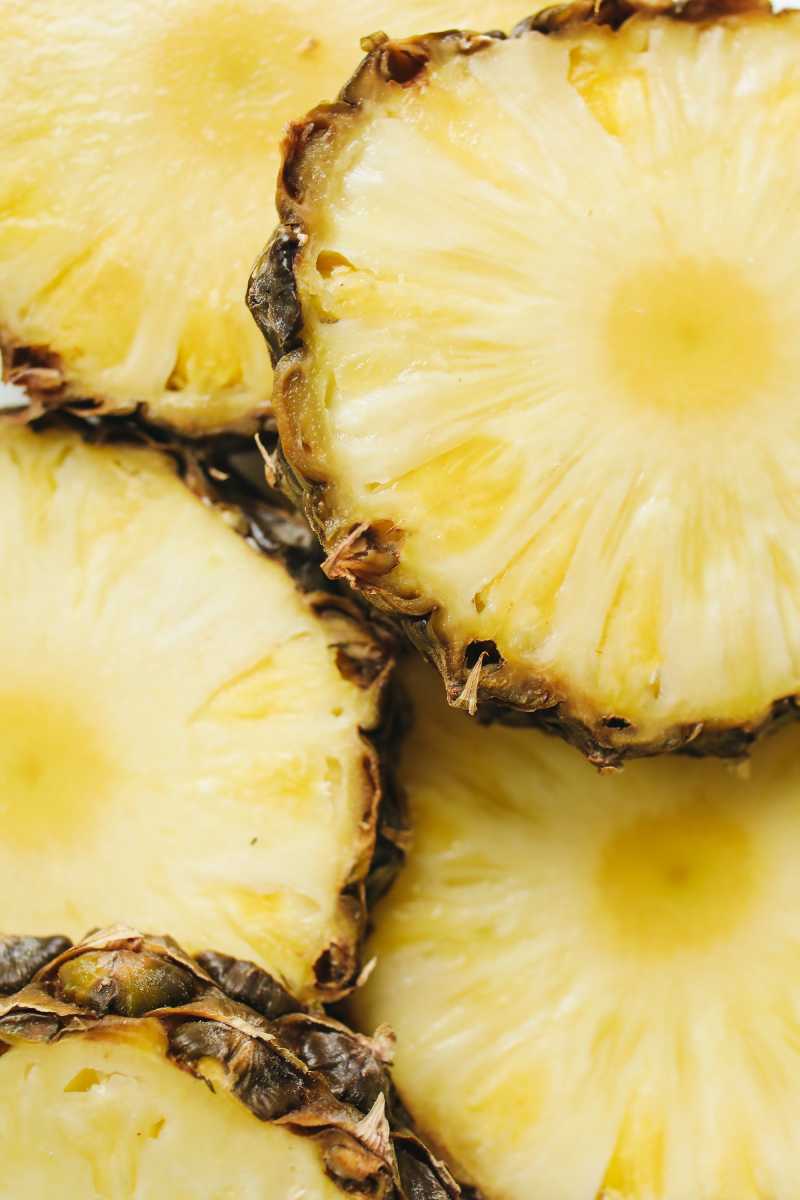
Pineapple
Pineapples are available year-round, but peak pineapple season begins in March and continues through July. During this period, restaurants and commercial kitchens often incorporate pineapple into beverage programs, tropical sauces, desserts, seasonal salads, and chef-driven specials. Peak-season pineapples typically offer better sweetness, texture, and consistency for foodservice operations.
When choosing a pineapple, smell the stem. A ripe pineapple’s stem will smell sweet and fragrant. Also, check for a yellow-gold color around the base of the pineapple and its eyes, green leaves, and a firm shell before selecting your pineapple.
Once you’ve chosen your pineapple, you can store it at room temperature for one to two days. You can also store your pineapple in a perforated plastic bag in the fridge for up to five days. If you cut your pineapple, keep it in the refrigerator, regardless of when you plan to use it.
Grapefruit
Grapefruit remains a valuable seasonal citrus option for restaurants, bars, and hospitality businesses throughout the spring season. Commercial kitchens frequently use grapefruit in cocktails, seasonal salads, dessert menus, brunch offerings, and citrus-forward specialty dishes that benefit from bright acidity and fresh flavor profiles.
Grapefruit can add a burst of color and flavor to grain dishes and dessert bars. It’s also perfect in parfaits and various salads, ranging from arugula and avocado salad to Thai shrimp, chicken, grapefruit, and coconut salad. You can also use grapefruit to create a delicious syrup to top salads or include in cocktails.
When it comes to choosing grapefruit, you have a few options. Opt for white or yellow grapefruits if you’re after a tart flavor. However, if you’re after a sweeter taste, choose a red grapefruit. Searching for a happy medium? Buy a pink grapefruit.
Regardless of which color grapefruit you select, you’ll want to choose a fruit with slightly flattened sides. It should feel heavy in your hand and have a healthy sheen on its skin. If you plan to serve them right away, you can keep grapefruits in a fruit bowl at room temperature. Don’t worry if you plan on serving them on a different date, though! Grapefruits can be stored in the fridge for up to two months, so you have plenty of time to figure out how to incorporate this juicy fruit into your menu.
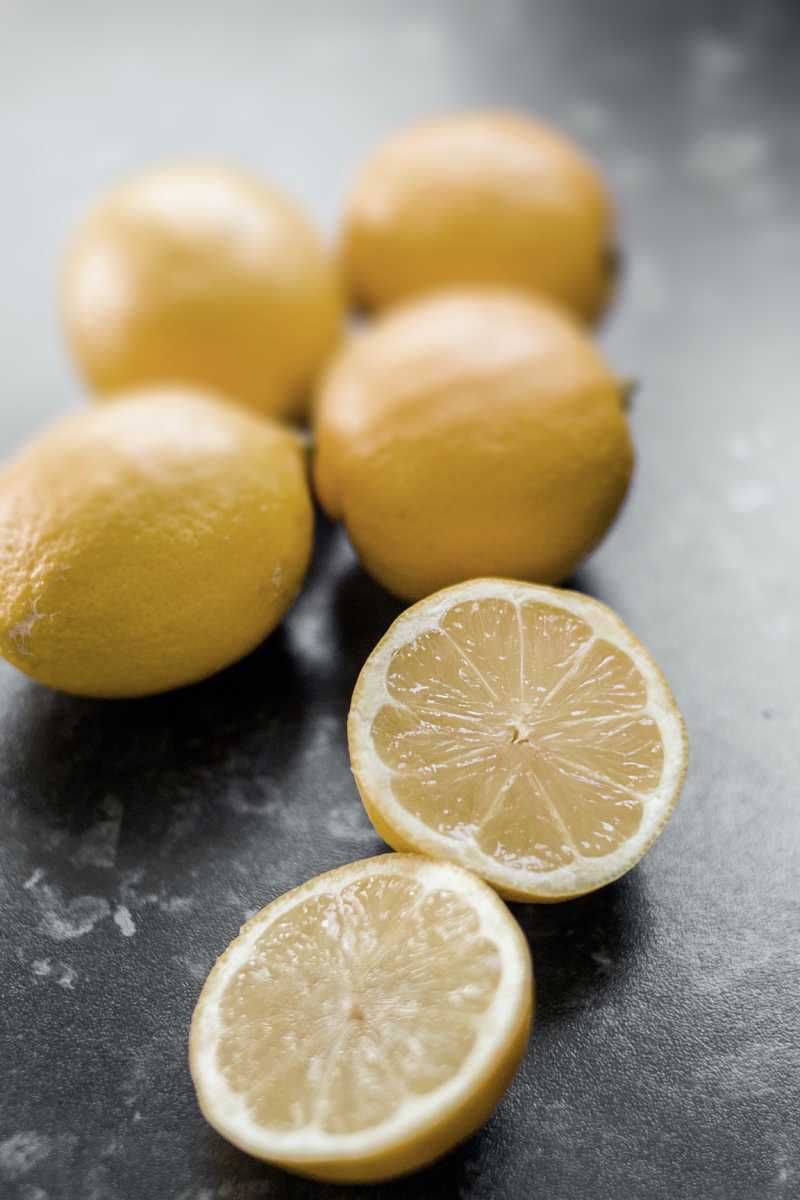
Lemons
Lemons are available all year round, but spring is a particularly perfect time to incorporate this yellow citrus into your menu. Feel free to use Eureka or Lisbon lemons this spring, as these lemon varieties are in peak season. Meyer lemons also peak in the late winter and remain in peak season through spring, though these lemons are generally deeper in color than traditional lemons and have a sweeter rind.
When picking your lemons, try to find some that feel heavy, as this is a sign of juiciness. Avoid any lemons that are brown or show signs of molding. If you plan on using lemon zest, pay a little extra for organic lemons, as non-organic varieties may have been exposed to pesticide residues, which is the last thing you want in your dish. Also, note that it’s okay to choose a lemon with a greenish hue, as most lemons are harvested green and remain so until they ripen into their signature yellow color.
Lemons will last on the counter for up to a week. You can also store them in your refrigerator for up to a month or freeze lemon juice and zest to use later. Just note that it’s best to juice whole lemons at room temperature. If you need to juice a refrigerated lemon in a hurry, stick it in the microwave for around ten seconds and then begin juicing.
Rhubarb
Rhubarb is technically a vegetable, but lots of people group the leafy plant in with fruits. After all, people tend to use rhubarb like they use fruits. They include it in sweet dishes, ranging from cobblers to pies to crumbles, much like they might with a fruit.
While many other fruits and vegetables are available year-round, field-grown rhubarb is truly a seasonal produce. Nothing signals the return of spring quite like rhubarb’s bright red stalks. Most of the field-grown rhubarb is available from April through June. However, the Pacific Northwest has a second harvest of rhubarb that becomes available between June and July.
Rhubarb pairs well with berries, apples, and other sweet and juicy fruits. Its stalks are ideal for desserts and can be cooked in sugar before being added to crumbles, pies, and other sweet dishes. Rhubarb compote, chutney, and muffins are also common uses for rhubarb. However, rhubarb stalks can also be used raw, blended into a sauce, roasted and tossed in a salad for a tart flavor, or used to make fresh juices, ice cream, or kombucha.
When choosing rhubarb, you’ll want to find small or medium-sized stalks, as larger stalks will likely be stringy. Choose stalks that are reddish pink in color and avoid any that look wilted, are incredibly thick, or feel woody. If you want sweet, tender stalks, choose young stalks that are less than two inches wide.
After selecting your rhubarb stalks, remove the leaves because they contain high amounts of oxalic acid and are poisonous. Then, you can store the rhubarb stalks just like you might store celery. Wrap them in plastic wrap or use a reusable storage bag and place them in the refrigerator.
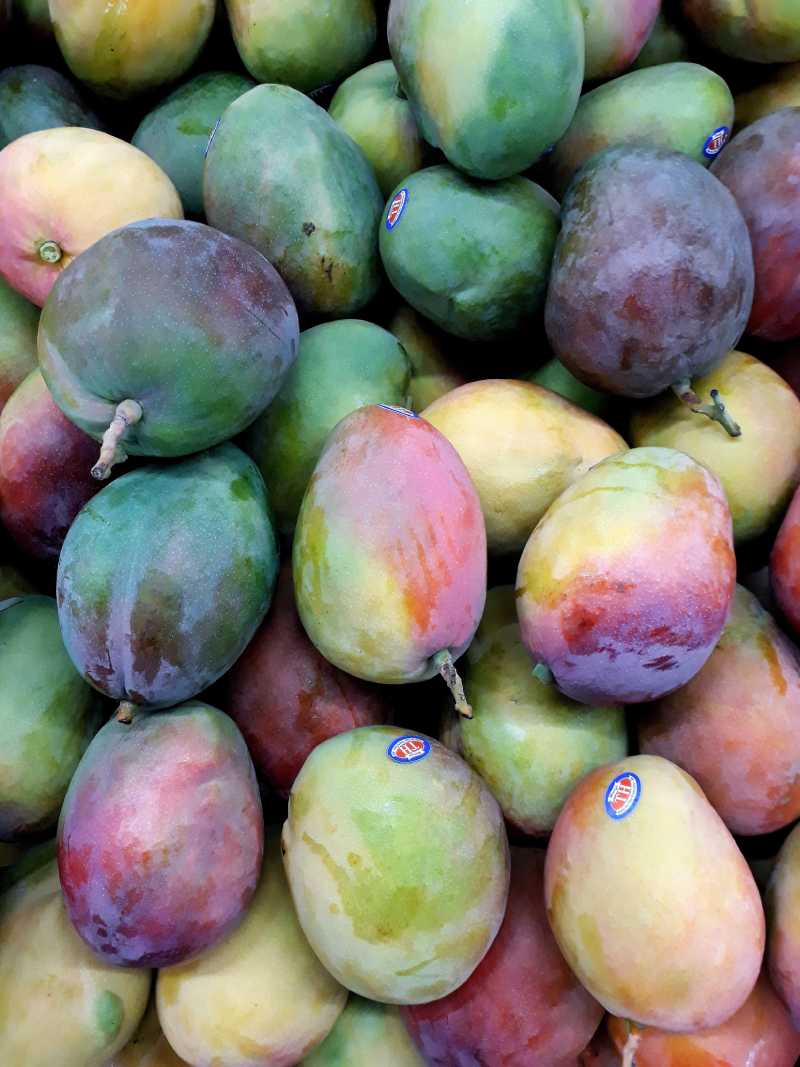
Mangoes
Though you can find mangoes in stores all year, spring brings the widest variety. These juicy fruits are perfect in salsas, cheesecakes, margaritas, and sauces. You can also blend mangoes into thick and sweet purées for use in various desserts, ranging from tarts to ice creams.
To find the perfect mango, you’ll want to feel the fruit and give it a gentle squeeze. Avoid any mangoes that feel soft, as this signifies that they are overly ripe. It’s always better to choose an unripe mango than an over-ripe one, as mangoes naturally ripen at room temperature. You’ll also want to avoid any fruits with large black spots or lots of freckles.
You may also want to smell mangoes before making your final selection. Sniff near the stem. Detecting a strong, sweet, and fruity scent signifies the mango is ripe. However, if you smell a sour or alcoholic odor, the mango is likely overripe.
After purchasing your mangoes, you can store them at room temperature until they are fully ripe and then move them to the fridge. Once there, they can last for up to five days.
Kiwis
Like many of the fruits on this list, Kiwis are grown in multiple places and are thus available all year. However, March through May is the perfect season for golden Kiwis from New Zealand.
These kiwis are from a different species than the green variety, though they are of the same genus. While green kiwis have an oval shape and fuzzy brown skin, gold kiwis have smooth and hairless golden-brown skin. Despite their differences, you can use gold kiwis just like you might use green kiwis. Common uses for kiwis include smoothies, salads, salsa, and juices. You can even add kiwi bread, lemonade, or sorbet to the menu!
To pick the best kiwis, you’ll want to avoid any fruits with wrinkles on the skin or major blemishes. However, you can’t just rely on looks. You should also feel kiwis before making your selection. If the fruit yields under slight pressure, it’s ripe. However, if it feels hard, it isn’t ready to eat. If you end up with an unripe kiwi, don’t worry! You can keep it at room temperature for a few days, and it will slowly ripen. Then, you can move the fruit to the refrigerator until you’re ready to use it.
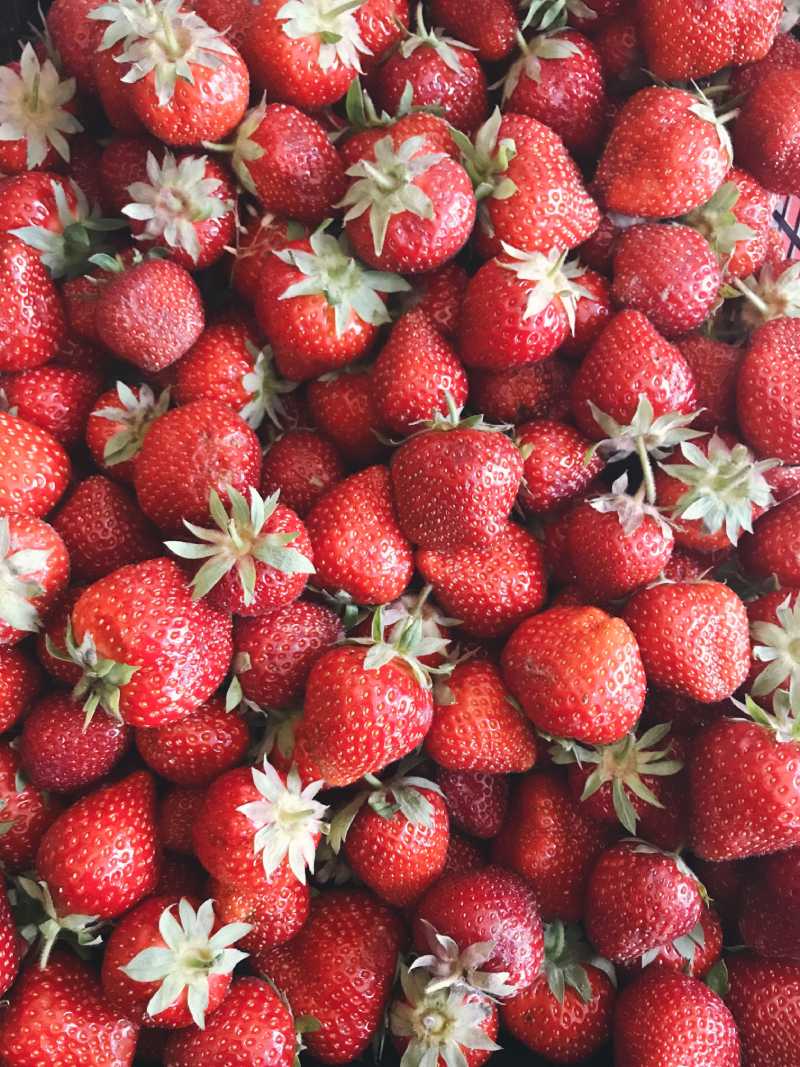
Strawberries
Strawberries are one of the most widely used spring fruits across restaurants, bakeries, cafés, and hospitality businesses. Seasonal strawberries are commonly incorporated into brunch menus, desserts, pastries, cocktails, sauces, and rotating spring specials because of their freshness, visual appeal, and versatility in commercial kitchen operations.
Sweet and juicy, strawberries are perfect for desserts. Whether you plan on adding them to strawberry shortcakes, parfaits, pancakes, cobblers, scones, or simply dipping them in chocolate, you can’t go wrong. Just make sure to choose vibrant and evenly colored strawberries and avoid any containers with juice seeping out of the bottom, as this is a sign of crushed berries or molding. Tip: check for tiny hairs on your strawberries! This is a sign of extra freshness.
After you’ve bought your strawberries, you can leave them in the fridge for up to three days. Wait to wash them until you’re ready to use them, as water removes strawberries’ protective coating and introduces more moisture, which could lead to mold.
Cherries
Spring also marks the beginning of the cherry season. Between late April and early June, the sweet cherries from California peak. If you’re after sour flavors, don’t worry! Sour cherries will ripen in the summer.
While some fruits will continue to ripen after being picked, cherries are different. What you see is what you get, and no amount of waiting will result in a riper cherry. So, you’ll need to be extra careful when selecting your cherries. Search for bright green stems, as this indicates freshness. You’ll also want to choose plump, firm, and dense cherries — and don’t forget to ensure they have shiny skin. Whatever you do, try to avoid wrinkled or bruised cherries.
Once you have your cherries, you can use them in everything from pies to tarts to crisps to galettes. Cherry compotes and chutneys can also be a big hit with customers, and if you’re feeling adventurous, you can use cherries to make chilled cherry soup or cherry clafoutis.
Find Quality, Affordable Wholesale Fruits With Fadaro
Looking for reliable wholesale spring fruit delivery in NYC? Fadaro Foods supplies restaurants, hospitality businesses, and commercial kitchens with seasonal produce, fresh fruit sourcing, and wholesale food distribution across Manhattan, Queens, Brooklyn, the Bronx, and Bergen County NJ.