

If you run a restaurant in NYC, the holiday season is when your menu has to work its hardest and smartest. Guests want comfort, surprise, and a little luxury, while you’re juggling high volume, tight labor, and rising costs for weeks at a time. The holiday season is short, but the impact it has on your brand and your numbers lasts all year.
During the festive season, you don’t always have time to launch brand-new dishes or retrain the entire line. What you can do is upgrade the plates you already execute well, using toppings and finishes that add flavor, texture, and visual “wow” without blowing up the ticket times or stressing the team more than necessary. The more you plan this in advance of the holiday season, the calmer your kitchen will feel.
Most guests only see your restaurant once or twice during the holidays, so each visit has to feel more special than a regular weeknight. In contrast to other times of the year, guest expectations and restaurant operations during the holiday season are heightened, requiring extra attention to detail and service. They’ll remember the little details on the plate long after they forget the exact price of an entrée, and those details are what make them choose you again over other times of the year. Holidays create memories; toppings help you control what those memories look like.
When you treat toppings as a strategic tool rather than an afterthought, you turn everyday dishes into a genuine celebration of your kitchen’s skills, without asking your staff to reinvent the wheel in the busiest weeks of the year. That lets your restaurant celebrate your own strengths in a way that feels deliberate, not desperate.
Why Toppings Matter in the Winter Holiday Season
In the rush of service, your team is trying to meet intense expectations from locals, tourists, office groups, and families, all of them wanting a “memorable holiday meal” but bringing different budgets and preferences. Many of these guests will also attend multiple parties and dinners, so they’re subconsciously comparing your plates to everything else they see during the holiday season.
Holiday season preparations in restaurants typically begin in November, as teams start planning menus and décor to get ahead of the rush. By mid-November, the shift into the holiday season is already felt, with staff and guests alike anticipating the festive period. By the time December hits, guests are exhausted from work, travel, and errands, and they’re looking for meals that feel comforting and intentional, something that looks like you planned for this moment, not just copied an old prep list from last year. December is when the holiday season pressure peaks, and when the smallest visual upgrade can change how a dish feels.
The Christmas season in NYC also means higher competition: hotel restaurants, pop-ups, neighborhood bistros, and chains all push seasonal menus promising warmth, nostalgia, and “limited-time” experiences. You’re competing with that noise every night during the holiday season as guests scroll through endless options.
For many diners, the word Christmas is less about religion and more about cozy, generous plates that feel worth dressing up for, even if it’s just jeans and a sweater after work in Manhattan or Brooklyn. They want a little magic at the table and expect the season to show up on the plate, not only in the décor.
Guests who come in around Christmas Day are often hosting extended family or out-of-town visitors; they notice the small touches on plates and remember whether your food matched the importance of the occasion. A lazy garnish reads as a missed opportunity and can make the whole visit feel like any other day instead of part of the Christmas season.
A simple “happy holidays” from staff feels more genuine when the plates themselves clearly show care in how they’re finished and presented, right down to the last drizzle, crunch, or sprinkle. When everyone on the team delivers that level of attention, the holiday-season energy in your dining room appears intentional rather than chaotic.
Fadaro Foods Your Holiday Partner
Understanding Guests and Expectations in December
Many NYC diners and consumers are careful about consumer spending this year, but they’re still willing to go out for key moments if they trust they’ll get real value for their money and their time. Recently, there has been a noticeable shift in how consumers approach holiday spending, with greater emphasis on value and experience. They may not say it out loud, but they’re comparing every experience across the entire holiday season. Consumers are also trying to understand whether the value they receive matches the cost, especially as economic conditions fluctuate.
They may have less money for multiple big nights out, which means the one reservation they choose has to feel like the right decision, not just “another meal” on a crowded calendar of obligations. When they decide where to spend that one big night, presentation and creativity play a huge role.
When holiday shopping eats up budgets, guests start comparing your plates more directly to what they could cook at home or get from faster, cheaper options in their neighborhood. Inflation and rising costs have added pressure to both consumers and restaurant operations, making it even more important to stand out. Your toppings have to justify the restaurant experience and make the holidays feel worth leaving the apartment for, especially when people are weighing all the things they could do or buy instead.
Strong plating and toppings help justify your prices even when holiday sales everywhere else are screaming for attention and pulling dollars toward gifts, travel, and home décor instead of dining out. You’re giving people a reason to celebrate in your space rather than at home.
If guests believe they can’t quite afford a full tasting menu, they may still splurge on small plates, side dishes, and dessert upgrades that feel indulgent without committing to the highest-priced entrées. That’s where a strong holiday season toppings strategy quietly increases check averages.
In a city that attracts visitors from around the world, a smart toppings plan lets you maintain your brand identity while giving each group something tailored to their holiday-season dinner in New York. You’re designing plates that feel like “this place” and “this time of year” at the same time.
Christmas Season Traditions and Their Influence on Toppings
The Christmas season, often called the winter holiday season, is a period when traditions, phrases, and a sense of celebration truly take center stage in America and around the world. This festive season is marked by a remarkable popularity that peaks between Thanksgiving weekend and New Year’s Eve, as shoppers, families, and friends look for ways to make the most of every opportunity to gather, give, and enjoy. For restaurants, this is not just the busiest time for retail sales and shopping, but also a moment to define what makes their holiday menu stand out, often through the creative use of toppings.
Across the country, classic Christmas traditions like decorating trees, singing carols, and exchanging gifts have spread and evolved, inspiring a series of new and playful ways to present food. Depending on your location and the background of your guests, you might see everything from holly-shaped cookies to snowman-themed cupcakes, each one representing a unique take on the season’s most beloved customs. In the UK, China, and other countries, these traditions continue to grow in popularity, with each culture adding its own twist to the festive table.
The week leading up to Christmas and the days that follow, right through to New Year’s Day, are filled with events, parties, and opportunities to visit with loved ones. Many adults and children alike look forward to attending concerts, festivals, and even a visit with Santa, all of which create a warm, happy atmosphere that restaurants can echo with their own holiday toppings. Polls show that most Americans associate this period with joy, generosity, and a sense of togetherness, even as the pressure of buying gifts and budgeting for holiday sales can cause some stress.
Toppings during the Christmas season often reflect these traditions and emotions. For example, tree-shaped cookies and cupcakes decorated with edible lights can capture the magic of home decorating, while present-shaped treats and bow-topped desserts remind guests of the excitement of gift-giving. Musical notes or guitar-shaped cookies can playfully nod to the tradition of singing carols, and party-themed toppings, like hat-shaped cookies or sparkling sugar, help every table feel ready to celebrate the new year.
The truth is, the Christmas season offers a lot of ways for restaurants to connect with guests, whether they’re regulars or strangers just stopping by during a busy shopping weekend. The sense of occasion that defines this period means that even small, thoughtful toppings can turn an ordinary dish into a memorable part of someone’s holiday. As the week between Christmas and New Year’s Eve often represents a time of rest and reflection, it’s also a great opportunity for restaurants to try out new toppings or return to classic favorites, depending on what their guests love most.
In the end, the traditions and customs of the Christmas season continue to inspire both the classics and the creative in restaurant kitchens. By listening to what makes this time of year special for their guests, whether it’s the nostalgia of gingerbread, the fun of candy canes, or the excitement of something new, chefs and operators can use toppings to spread a little extra happiness, create new traditions, and ensure every visit during the festive season feels like a celebration.
Building a Simple Toppings System for NYC Kitchens
Think of toppings as a way to express your season, not as random decorations that only your most senior cooks can execute consistently on a packed line. A good system means the holiday season doesn’t fall apart when one key person calls out.
Just as retailers review sales data and plan for the holiday season to maximize sales and efficiency, restaurants should also analyze their sales reports to prepare for peak periods and special events.
Start by looking at your sales report for the past week and flagging dishes that already move well:
- Fries
- Mac and cheese
- Roasted vegetables
- Burgers
- Salads
- Desserts
These are your best candidates for seasonal upgrades, especially during the peak of the holiday season.
Then decide how those dishes should show up on each weekend in the run-up to New Year—what the “holiday version” looks like and how to make it repeatable night after night, even on New Year’s Eve when everything feels more intense. Be sure to communicate when your restaurant will be open for special holiday events or extended hours, so guests can plan their celebrations accordingly. A clear spec keeps the season under control.
Consider which menu items will appear most often on group orders or fixed-price events, such as office parties, team dinners, and family celebrations, and give those plates the most attention when you design holiday finishes. These are the plates that show up in photos and shape how people remember the season.
Your goal is to create a short list of signature toppings, crunchy, bright, creamy, aromatic, that are easy to train and can be applied across multiple menu categories without confusing the line or slowing service on New Year’s Eve or any other peak shift.
When you make toppings that guests love to share with their friends, you naturally drive more social posts, better word-of-mouth, and more orders of those profitable “loaded” items, especially when everyone is in the mood to celebrate together.
A clear, repeatable toppings plan also gives servers a simple story to tell when they describe specials or suggest upgrades, so they’re not improvising under pressure during your busiest holiday season shifts or struggling to remember details at the table.
Buy Your Holidays Toppings from Fadaro Foods
Choosing Ingredients: Fresh, Frozen, Seasonal, and Popularity

Start with your core fresh vegetables, Brussels sprouts, carrots, roots, and greens, that naturally fit cold-weather cooking and can be finished with flavor-packed oils, crumbs, seeds, and sauces to give each plate a holiday season personality.
Use bright fresh fruits like citrus segments, apple slices, or pomegranate seeds to cut through rich sauces, add quick visual impact, and bring a lighter note to heavy plates and desserts that might otherwise feel too dense by the end of the season.
Lean into seasonal produce where it makes sense for your concept, but focus on a handful of items you can source consistently at the volumes your restaurant needs throughout the holiday season. Predictable inputs keep your team confident.
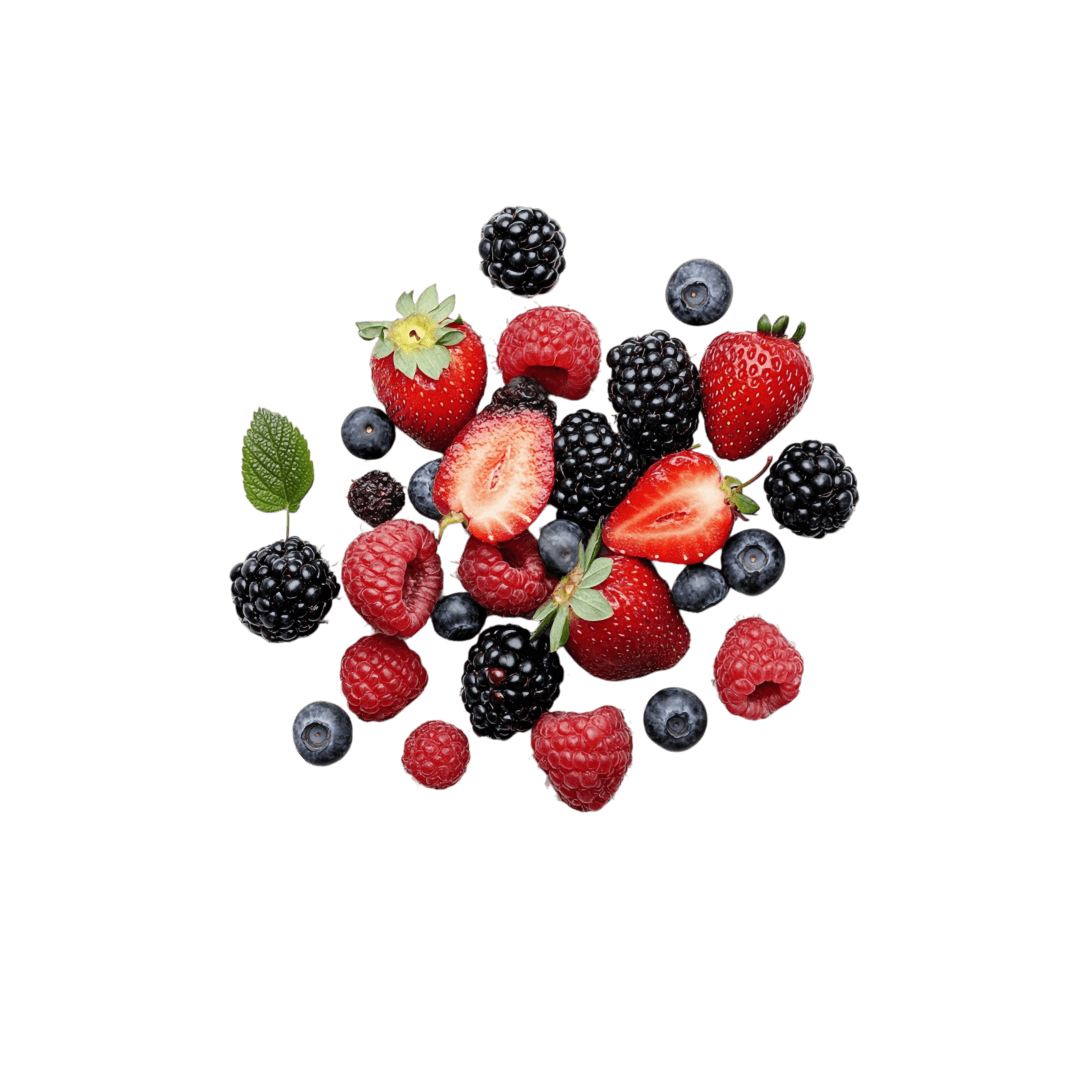
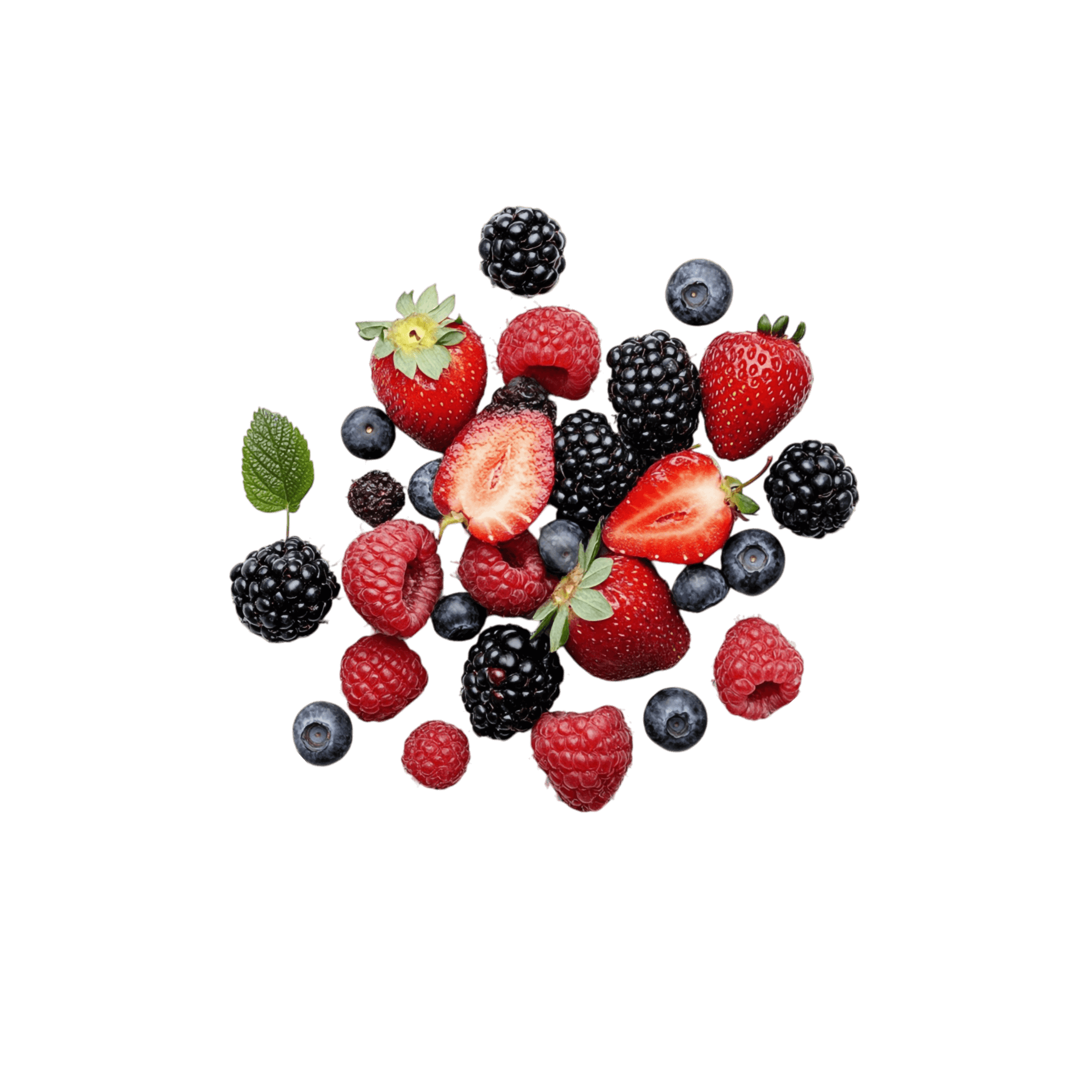
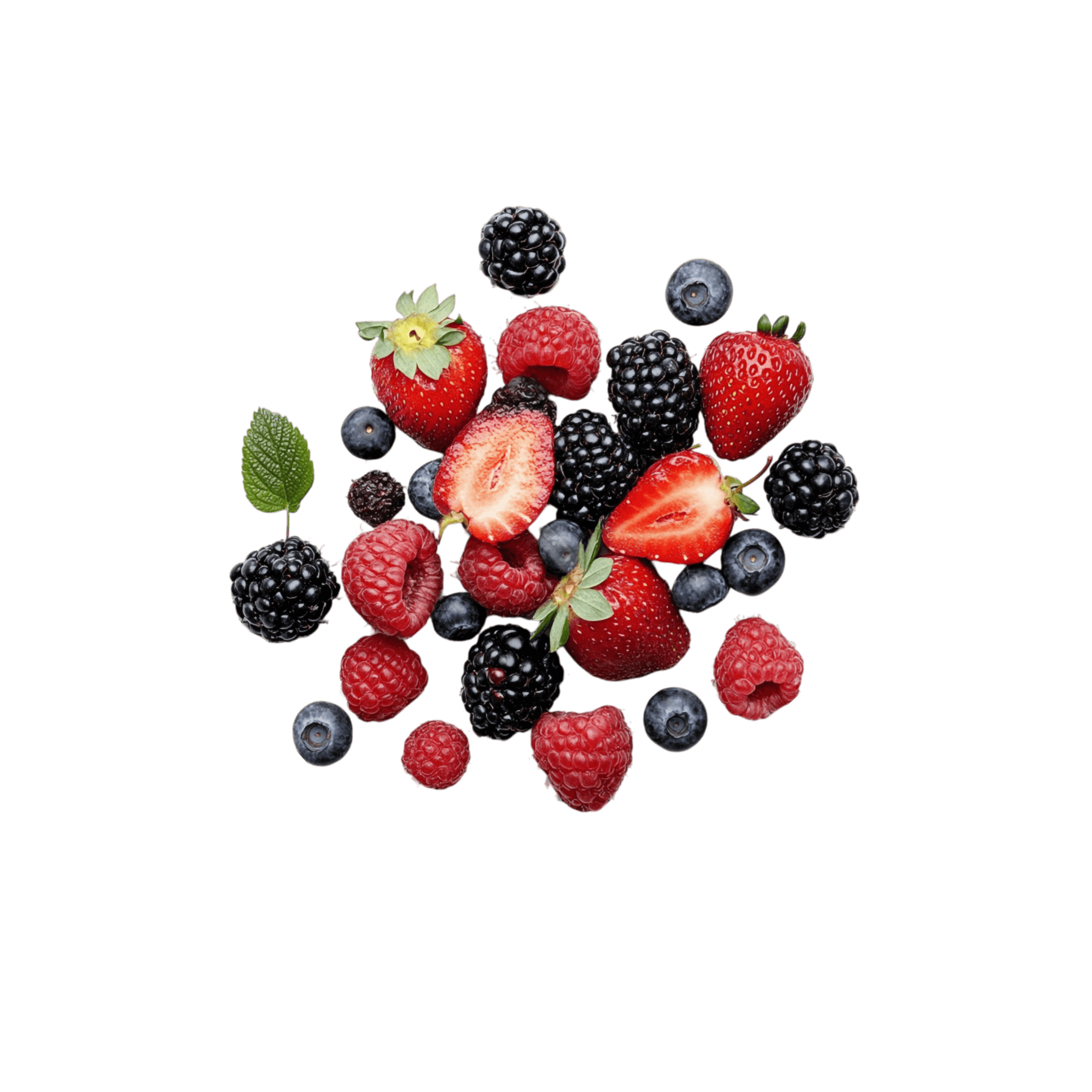
Keep a small set of frozen food backups, such as berries for compotes or corn for soups, so unexpected supply issues or weather disruptions don’t force you to drop high-performing dishes at the last minute in December, when you can least afford to disappoint guests.
Work with your trusted wholesale produce partners to confirm which items they can reliably supply throughout the holiday calendar, and confirm delivery schedules for key holiday dates such as Christmas and New Year’s. Solid communication protects the season for both sides.
If you use a wholesale restaurant supply vendor, ask which finishing products, crumbs, sauces, garnish blends, and other NYC operators lean on during this stretch, then adapt those ideas in a way that feels authentic to your brand and fits your capacity. Toppings should make the season easier, not harder.
Reserve the word food in your staff meetings for the bigger conversation: how all these choices support the experience you promise guests during the holiday season, not just the technical prep list. You’re designing feelings, not just plates. During the holiday season, it’s also important to use clear terms in your supplier agreements or menu descriptions to avoid confusion and ensure smooth operations.
Turning Everyday Dishes into New Year’s Eve Holiday Season Hits
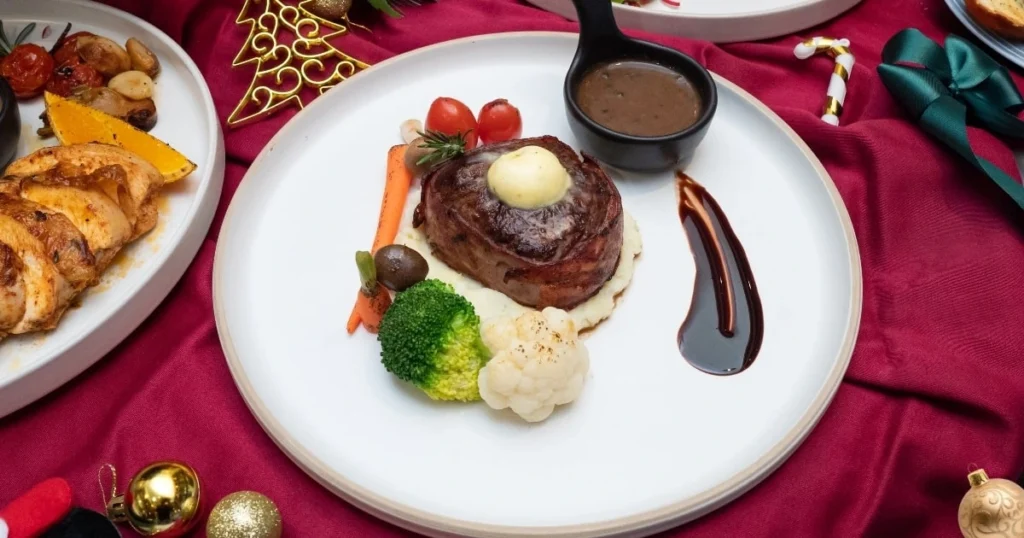
Side dishes are your easiest win between Thanksgiving and early January because they’re flexible, shareable, and often ordered on impulse when guests are in a generous mood and ready to celebrate one more time. Special holiday sales or a limited-time side-dish promotion can also drive additional orders during this period, so consider highlighting a featured side as part of a seasonal sale.
A simple roast-vegetable medley can become a Christmas holiday favorite with a finishing layer of spiced nuts, citrus zest, and herb oil that looks impressive and supports a small upcharge. The same base can quietly carry the holiday season from early parties to New Year’s Eve.
Even basic desserts can evoke Christmas decorations when you add glossy sauces, crunchy crumbles, and warm spices that remind guests of home baking and family gatherings they don’t have time to organize. You help them celebrate without the cleanup. For a creative touch, take inspiration from classic holiday greeting cards—use card motifs or festive messages as decoration themes for your dessert presentation or menu design.
Use topping colors that pop under your dining room lights, deep greens, bright reds, golden browns, so plates read as “holiday special” the second they hit the table, even before servers begin to talk through the dish. That visual cue is powerful during the season.
For family-friendly concepts, a subtle nod to Santa on one dessert, through naming or garnish, can delight kids without turning your entire menu into a theme park, and gives parents an easy way to make the holidays feel magical for their table.
As the winter holiday season progresses, you can rotate one or two toppings from ultra-rich to slightly lighter, so regulars don’t feel weighed down by the end-of-month visits and can still celebrate with you more than once.
Leaning into winter textures, roasted, crispy, creamy, helps your menu feel seasonally anchored even if core recipes stay the same from week to week, and guests appreciate that balance during a long, dark season.
Toward the end of the run, consider a special finishing touch to mark New Year’s dinners, like a champagne vinaigrette, sparkling sugar, or luxe garnish on one or two hero plates, so New Year’s Eve feels like a natural climax to the holiday season. New Year’s Eve is a key event that brings the holiday season to its peak, and special menu items for that night can make the celebration memorable.
On New Year’s Day, brunch and all-day menus are perfect places to feature loaded hashes, topped pancakes, and elevated comfort dishes that help guests ease into the year with something fun and satisfying. New Year’s Day can quietly become one of your best holidays for testing new topping ideas. After the holiday rush, consider introducing post-holiday menu changes or highlighting post-holiday sales to keep guests engaged and encourage return visits.
Working with Suppliers and Teams to Execute
Your back-of-house team needs clear support from every food supplier you rely on to ensure toppings remain consistent throughout the holiday season rush, rather than fading halfway through. National policies or presidential actions can also affect supply chains and economic conditions during the holiday season, so it’s essential to stay informed and plan accordingly.
Lock in par levels and delivery rhythms at the beginning of the season so you’re not scrambling for critical garnish items when bookings spike, or deliveries get delayed in bad weather or heavy traffic.
Review what worked and what didn’t in years past, especially which toppings slowed the line or caused confusion, and cut anything that created more stress than value on peak nights, including New Year’s Eve and New Year’s Day.
When you align your toppings strategy with the realities of the holiday season, you give your chefs, managers, and line cooks a better shot at maintaining quality, speed, and morale, even when the door never seems to stop opening.
Use pre-service to reset expectations with both FOH and BOH, walking them through photos or examples of how holiday toppings should look and how to sell them naturally. Be sure to clarify that ‘holiday season’ refers to the period from late November through early January in your team communication or supplier agreements, so everyone is on the same page. That way everybody understands how the season is supposed to feel, not just how it’s supposed to taste.
When guests feel they’re getting thoughtful, visually appealing plates during their limited time in december, they remember your restaurant as a place they want to revisit, and recommend, once the rush is over and the next season begins.
Make This Holiday Season Opportunities Work for Your Restaurant
The holiday season will always be intense, but it doesn’t have to be chaotic or wasteful if you treat toppings and ingredients as strategic levers instead of last-minute add-ons that only show up on New Year’s Eve.
By focusing on high-impact finishes, smart sourcing, and clear communication, you can meet higher expectations, protect profitability, and give guests the kind of experiences they look for during the Christmas season, from early parties to late-night toasts. The middle of the holiday season is a necessary time to review and adjust your menu or operations to stay responsive to guest preferences and operational challenges.
Take time now to review your menu, identify five dishes to elevate with toppings, and align with your suppliers and staff, so when guests walk in ready to celebrate the holidays, your plates are ready to celebrate with them and deliver the flavor, comfort, and energy they’re hoping for throughout the entire holiday season.
Buy Your Toppings & Ingredients from Fadaro Foods

Fadaros’ editorial team is dedicated to creating high-quality, insightful content that helps food businesses navigate the challenges of the wholesale industry. We aim to empower you with practical advice, expert insights, and resources tailored to your needs. By aligning with our brand’s mission of helping you grow and build a successful future, we aim to be a trusted partner every step of the way, ensuring your success remains our top priority.