


Melons for NYC Chefs: 5 Must-Try Picks + Wholesale Buying Guide
Melons are a fast, flexible way to add seasonal value to your menu, especially when you need high-impact flavor with simple prep. Making salads, soups, or drinks with melons is easy and efficient, allowing you to quickly create fresh dishes. In NYC and NJ kitchens, Melons work across dayparts: brunch boards, fruit-forward desserts, chilled appetizers, and beverage programs.
This updated guide helps you choose Melons that fit real operational needs, yield, shelf life, consistency, and speed, so you can buy with confidence and convert seasonal demand into reliable profit.
Why Melons Sell in NYC and NJ Commercial Kitchens
Melons are easy to position as “seasonal” and “fresh,” which makes them an efficient upsell in restaurants, hotels, cafes, school kitchens, and catering. When you plan well, Melons also help you reduce waste because trim can become purée, granita, syrup, or drink base.
Melons are also a strong fit for menus that need lighter options, especially when your guests want produce that feels clean and hydrating. Industry reporting notes watermelon is about 92% water, which is a lot compared to other fruits, and U.S. per-capita consumption was roughly 15.6 pounds in 2024, a clear signal that Melons keep demand even when menus shift. Melons are high in water content, making them hydrating and refreshing.
Melons 101: Where They Come From and What “Counts” as a
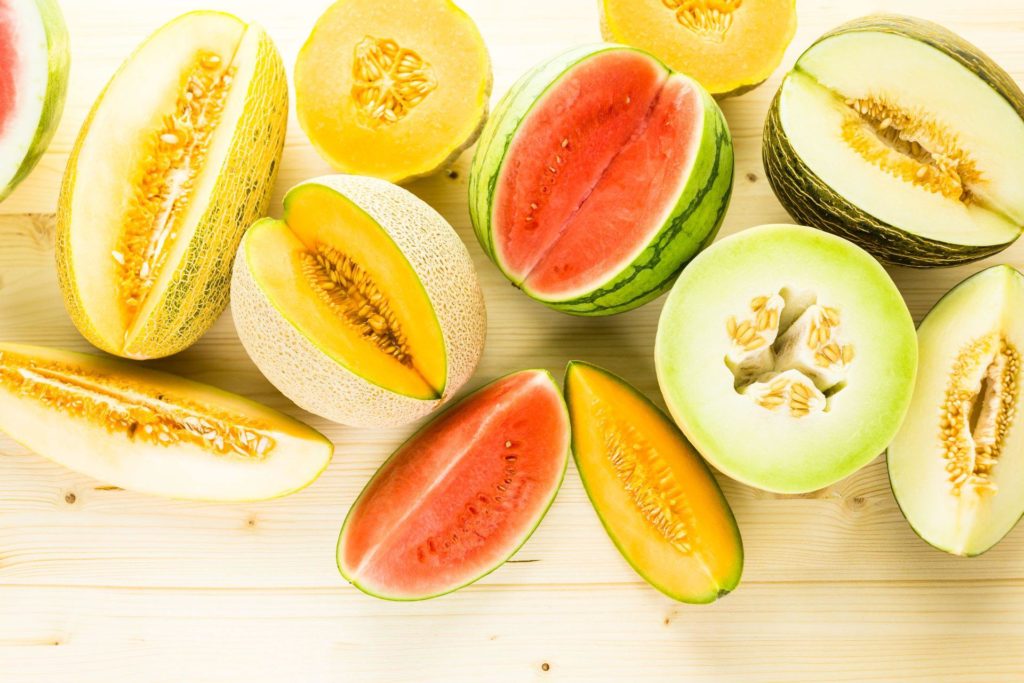
Most common culinary Melons fall under cucurbits, and many are in the Cucurbitaceae family. The subject of melon classification is important for understanding the diversity and characteristics of different types. Melons are classified into two main species: Citrullus lanatus (watermelons) and Cucumis melo (sweet melons).
If you’re comparing varieties for purchasing, it’s helpful to know many familiar types are connected to cucumis melo classifications. Cucumis melo is divided into several varietal groups, including cantaloupensis (true cantaloupes), reticulatus (muskmelons), and inodorus (winter melons).
The difference between these groups lies in traits such as rind texture and flesh characteristics: the cantaloupe group includes melons with a netted rind and aromatic flesh, while the inodorus group includes smooth-skinned melons like honeydew and casaba. Extension and horticulture references group muskmelon styles (like netted types) and late-maturing types (often called “winter” styles) under C. melo categories.
How to Pick the Perfect Melon (Chef-Focused Buying Cues)
Choosing ripe melons involves checking for specific characteristics such as weight, aroma, and rind features.
Melons perform best when you choose them like an operator, not like a home shopper. You want consistent cases, predictable yield, and less “surprise variability” on the line.
Use this quick list to select a perfect melon:
- Weight for size (heavier usually = more usable product)
- Even shape (more consistent portioning)
- Clean exterior (fewer handling issues)
- For aromatic types, a noticeable scent can indicate readiness (strong aroma)
- Check the blossom end on relevant types, over-soft can mean the window is tight
- Consider the diameter of the melon for portioning and consistency, as different varieties may have specific diameter ranges.
Melons do not get sweeter after they are picked, so it is important to select ripe melons at the market.
If you’re building a weekly feature, ask your supplier to recommend Melons that match your service rhythm (same-day cut vs. 2–3 day prep cycle).
Melons are often sold in various packaging sizes, including half-cartons and crates, such as 45 to 50-lb half wirebound crates, depending on the type and market.
Growing Melons: What Chefs Should Know About Seasonality, Regions, and Quality
Understanding how and where melons are grown can help chefs make smarter buying decisions and deliver the freshest, most flavorful fruit to their guests. Regions like Western Africa and Central America are recognized for their melon production, thanks to their hot, dry climates, conditions that help melons achieve their full potential in both flavor and yield.
There are a number of types of melons commonly used in kitchens, each with unique characteristics. For example, the Hami melon, native to China, is oblong with a crisp, sweet flesh, while the Canary melon stands out with its creamy yellow rind and tangy, sweet flavor. Honeydew melons, with their smooth, round appearance and subtle sweetness, are a staple for salads and appetizers, while casaba melons are known for their thick, wrinkled rinds and ability to be stored for several months.
Quality starts in the field. Melons are sensitive to frost, which can damage young vines and reduce the number of market-ready fruit. Chefs looking to buy the best melons should check for a smooth or slightly wrinkled rind (depending on the type), a uniform round or oblong shape, and a good weight for size, signs that the melon has developed properly on the vine.
Sweetness is a key indicator of a good melon, and is often measured in degrees Brix. A Brix reading of 10 degrees or higher means the fruit is likely to be juicy and flavorful, with some varieties like Hami and Canary melons reaching even higher levels. When evaluating melons, chefs should also look for vibrant color, such as the golden yellow of a ripe Canary or the deep red flesh of a watermelon, as well as a pleasant aroma and a firm, but not hard, feel.
Proper storage is crucial to maintaining melon quality. Most melons should be kept cool and dry, away from direct sunlight, to preserve their texture and prevent spoilage. Honeydew and casaba melons can be stored for several months under the right conditions, while more perishable types like watermelon are best used within a few days of ripening.
In the kitchen, melons are incredibly versatile. They can be sliced for fresh salads, pureed for drinks or desserts, or paired with lime juice, herbs, and spices to create appetizers that meet the demand for both sweet and savory menu options. For example, a salad of diced watermelon, red onion, and mint is a refreshing summer starter, while pureed Canary melon with honey and yogurt makes a light, sweet finish to a meal.
Watermelon: The “Refresh” Workhorse for Melons
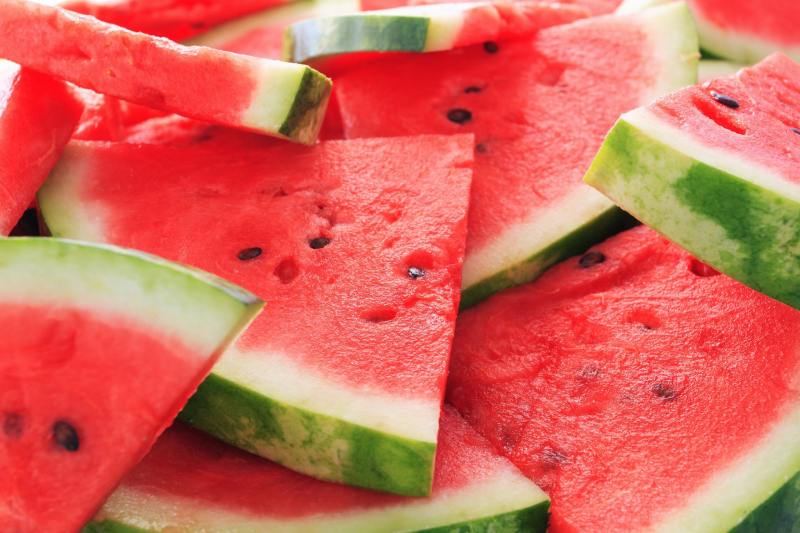
Watermelon is one of the most versatile Melons for high-volume service because it moves fast and works in both savory and sweet builds. With its dark green rind and bright pink flesh, watermelon is visually appealing and easy to identify. It’s the go-to melon fruit for bar programs, catering, and summer prix fixe menus.
Where watermelon wins:
Frozen drinks, fresh water, and spritz builds
Salads with salty components
Quick garnishes and easy dessert cups
The Moon and Stars watermelon is a large variety, named for its speckled rind, and can weigh anywhere from 10 to 50 pounds. It features bright pink flesh and large seeds.
Watermelon is loaded with the powerful antioxidant lycopene, which is linked to a reduced risk of certain cancers and heart disease.
Honeydew Melons: Clean Sweetness + Prep-Friendly Holding
Honeydew Melons are a smart pick when you need stable texture and a flavor that plays well with other ingredients. In many kitchens, honeydew is the “quiet performer” among sweet melons, less dramatic than cantaloupe, but excellent for consistent prep. Honeydew melons provide important nutrients, including vitamins, minerals, and beneficial phytochemicals.
What to look for:
Smooth, even exterior (smooth skin)
Typically weigh between 4 to 8 pounds, with a sweet flavor and long shelf life due to their hard rind
Good weight and firmness for clean cuts
Balanced sweetness without being overpowering
Menu uses that work in NYC/NJ:
- Brunch boards, hotel buffet service
- Drink bases with citrus and herbs
- Simple fruit cups for institutions
- Great in fruit salads and as a base for chilled soups and drinks
Cantaloupe + Persian Melons: Aromatic, Fast-Selling, Menu-Friendly
Cantaloupe is one of the most recognizable Melons for customers, and it sells because it’s fragrant and familiar. Cantaloupe is high in beta-carotene, which converts to Vitamin A supporting vision, immune, and skin health. It is also a good source of antioxidants, which contribute to its health benefits. Many chefs also like persian melons for a similar category of eating quality and menu adaptability.
Chef cues:
- A clearly netted rind is typical for many aromatic muskmelon styles
- Look for firmness that supports clean portioning and lower waste
- Plan your cut schedule carefully so texture stays tight
- Cantaloupe pairs well with salty items and benefits from fresh herbs like mint or basil
These types can be a strong choice when you want orange flesh that photographs well for specials and social posts.
Specialty Melons That Differentiate Your Menu (Galia, Hami, and More)
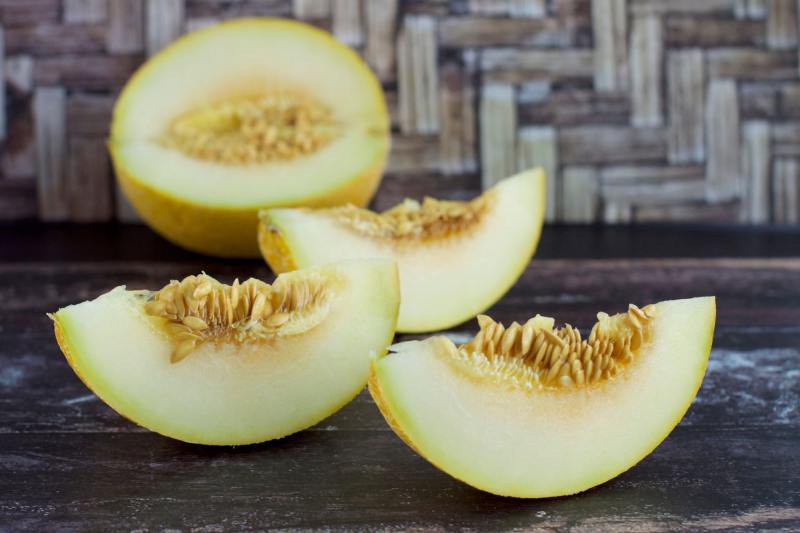
If you want Melons that turn a “fruit side” into a signature item, consider rotating in specialty melons. ATTRA’s specialty melon overview lists varieties such as Galia and hami melons alongside more common types, which supports building a seasonal rotation beyond basics. The Hami melon is a long, oval muskmelon native to China, known for its sweeter and crisper flesh compared to typical cantaloupes. The Galia melon is a hybrid of cantaloupe and honeydew, featuring a netted rind, smooth lime-green flesh, and a sweet banana flavor.
How to use specialty varieties without slowing service:
Feature them in one hero item (cocktail, dessert cup, plated starter)
Keep the garnish and prep method consistent
Let the variety be the “newness,” not the technique
This approach highlights melon diversity while protecting labor and execution.
Late-Season and “Winter” Styles: Casaba, Crenshaw, and Christmas Melon
Not every menu needs only summer Melons. Some varieties are often grouped as winter melons or late-maturing storage styles, including casaba melons, crenshaw melons, and the Santa Claus melon (also known as Piel de Sapo). The Santa Claus melon is harvested later in the season and can keep well through the holidays, making it ideal for festive occasions. Oregon State horticulture guidance describes how different C. melo groups include types like casaba and Crenshaw among late-maturing categories.
What chefs like about these styles:
They can be useful when you want a melon feature later in the year, especially for holiday menus
Some have a more subtle profile that pairs well with spice, acid, and herbs
They can support longer seasonal planning than “peak-summer only” options
If you run holiday catering, a christmas melon-style feature can give you a fresh angle when most menus feel heavy, and its ability to keep well through the holidays makes it a practical choice.
“Oddball” Kitchen Tools: Snake Melon and Oriental Pickling Melon
Some Melons are best used before full maturity. Horticulture references describe C. melo var. flexuosus as the snake melon, and C. melo var. conomon as the oriental pickling melon. The development and harvest timing of snake melon and oriental pickling melon are influenced by the appearance of flowers, which play a key role in fruit set and quality.
How chefs use these effectively
Treat them like a snake cucumber in salads and quick pickles
Use them as immature melons for crisp texture
Build savory applications where you want crunch, not sweetness
Storage + Food Safety for Melons in Commercial Kitchens
Melons are high-risk once cut because the interior becomes a great environment for microbial growth if mishandled. The FDA’s melon safety guidance emphasizes minimizing wet rind conditions and cooling/holding practices that reduce pathogen growth risk. Food safety improvements have been achieved through better handling and storage practices.
Practical kitchen rules (fast and realistic)
- Wash whole Melons right before cutting
- Sanitize boards/knives before and after prep
- Cover and refrigerate cut product immediately
- Date-label and rotate like any other ready-to-eat item
For a simple, reputable reference to share with staff, UC ANR also notes covering and refrigerating cut cantaloupe to reduce bacterial growth.
If your team struggles with waste or inconsistency, ask your supplier for good melon guidance by daypart (bar vs. prep vs. banquet) so you cut the right Melons at the right time.
Menu Plays That Keep Melons Profitable (Not Just “Fruit on a Plate”)
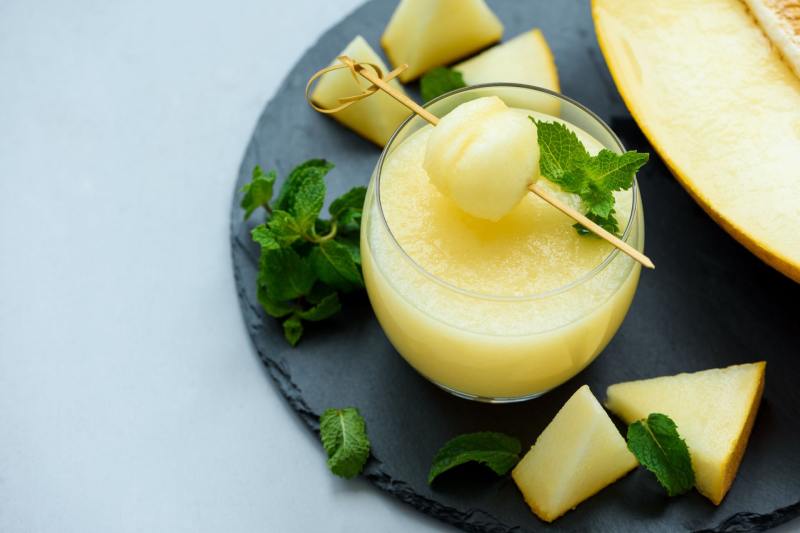
Melons make money when they do more than one job on your menu. Plan at least two uses per case so trim and overripe product still convert into sellable items.
High-performing ideas:
Fruit salads with herbs like basil, mint, and cilantro, plus salty cheese and crunch
Chilled soups and gazpacho-style specials—step one: purée the melon to make a refreshing cold soup
Melon paired with cured meats, such as prosciutto, for a flavorful appetizer step
Frozen drinks, spritz builds, and alcohol-free coolers
Dessert cups, granita, and sorbet
Simple flavor builders that boost repeat orders
A splash of lime juice for brightness
Chili, ginger, mint, basil, or citrus zest
Salty contrasts (cured meat, feta, flaky salt)
Tip: When fruit ripens faster than expected, pivot to purée, syrup, or granita base so you protect margin.
Where to Buy Wholesale Melons in NYC & NJ
When you’re buying Melons for service, reliability matters as much as flavor. Late deliveries, inconsistent cases, or poor temperature handling can turn a profitable special into waste fast.
Many people interested in exploring diverse melon varieties seek out local farm stands and markets, especially during the peak season in late summer. Melons are also widely available at farmers’ markets, where people often find fresher and more diverse options than in supermarkets. The best time to buy melons is during their peak season, which varies by type but generally occurs in summer.
If you need wholesale produce with consistent handling, Fadaro Foods supports NYC and NJ commercial kitchens with dependable sourcing across fresh fruits, plus broader categories like frozen food and seasonal produce for menu planning.
As a food supplier focused on service, Fadaro helps you choose Melons that fit your prep schedule and your menu goals, and supports operations that want to buy local whenever possible.
Ready to lock in consistent Melons for your next feature?